January 2026 Newsletter:The New Year Is Here

Share This!
Greetings, friends –
The new year is here! Days are definitely getting longer, our gardens are definitely coming alive, and in fact, much is flowering in the garden.
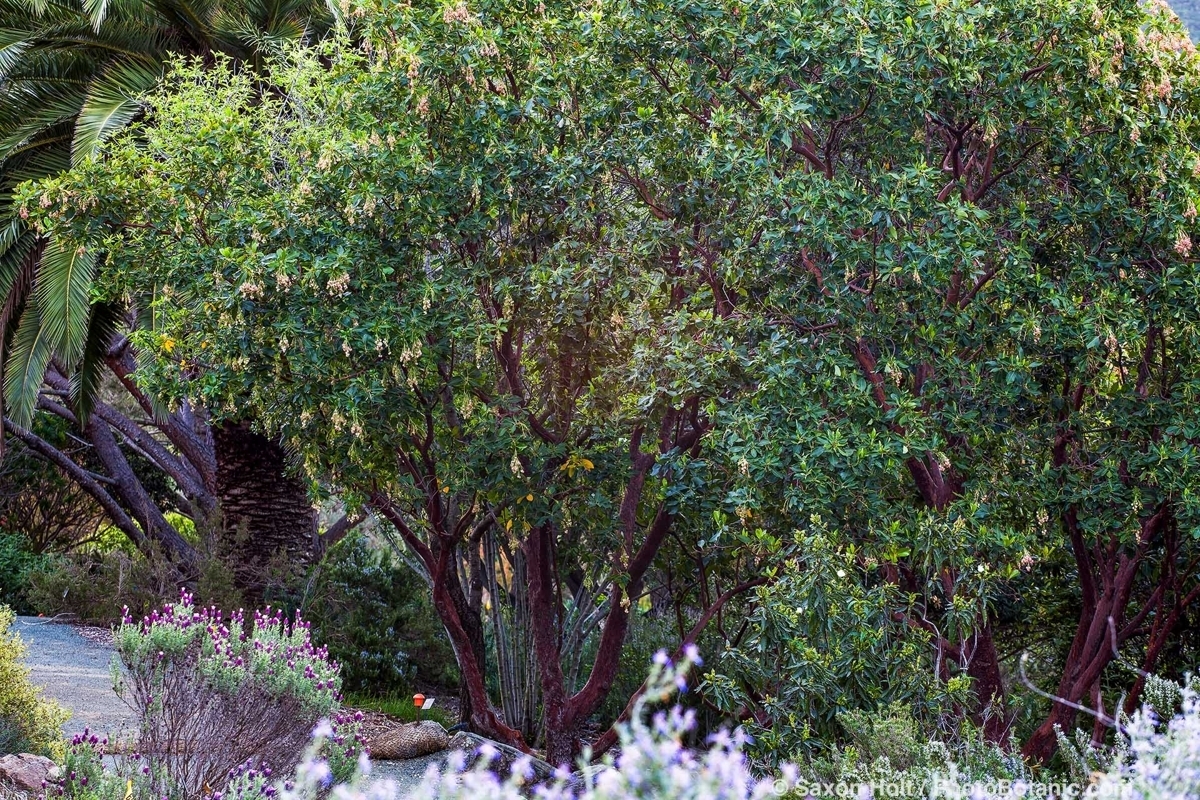
Manzanitas are now coming into full flower in California and, if you haven’t taken a walk in the wild, you will miss them (what, again!?). Early bulbs like Narcissus, Leucojum, and Nerine are coming on strong. With a bit of warm weather, you may be seeing the earliest flowering trees such as Prunus and Magnolias coming on.
Make a trip to a local botanic garden, and you may be surprised to see how many plants from summer-dry climates around the world begin blooming in the winter. Many of us are familiar with Mediterranean staples like hellebores and rosemary that flower in the winter, but look for Grevillea, Acacia, and Banksia from Australia, or Leucadendron and Aloe from South Africa.
As aloes are such a strong January bloomer, we’ve made them our featured blog post.
~ Saxon Holt and Nora Harlow
January Blog Post: Aloe

There are more than 400 species of Aloe, and hundreds of named cultivars. All Aloes come from Africa or the Arabian peninsula, and many are adapted to summer-dry climates, so long as they are given sharp drainage.
Read On
Instagram Memories
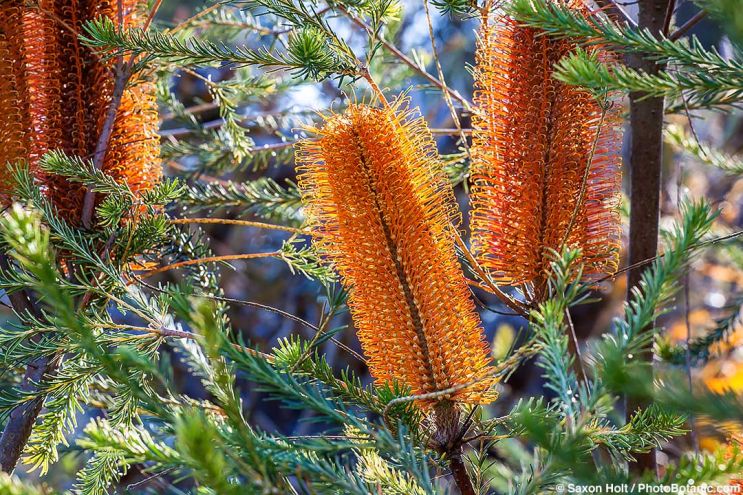
January 9, 2023
“Continuing the series of winter-flowering shrubs for summer-dry climates, from Australia Banksia ericifolia ‘Fireworks’, another beauty from UC Santa Cruz.”
Follow Us on Instagram
Winter Flowers Around the World
When you think about it, it’s not surprising there are many plants in summer-dry climates that flower in the winter. This is our wet season, the world is coming alive, plants do their most active root growing now, and many begin to flower at the very beginning of winter.
Let’s begin this short survey with Arctostaphylos, affectionately known as manzanita, a California native shrub with many species now in the nursery trade. Manzanitas are found from sandy coastal conditions to chaparral and up into mountain forests, so gardeners need to be careful to select ones that are adapted to their region.
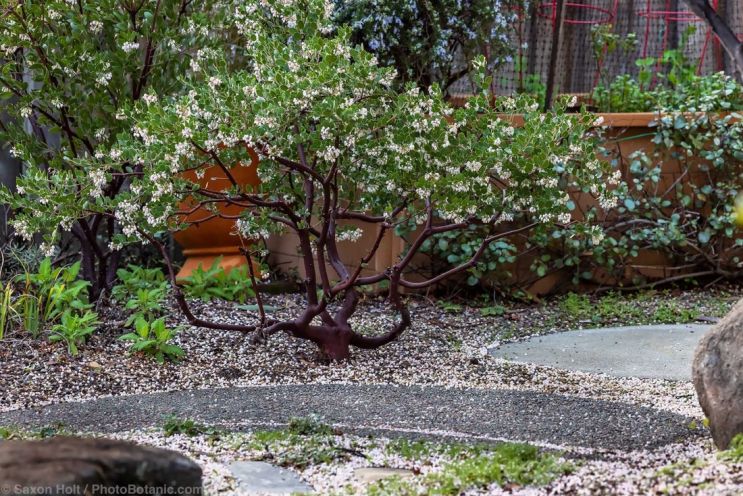
Here we see Arctostaphylos edmundsii ‘Big Sur’ in mid-January in a Northern California garden designed by Pete Veilleux as it begins to drop its delicate, white, urn-shaped flowers. One can’t help but think about a dusting of snow.
Helleborus argutifolius – Corsican Hellebore, seen here flowering in the University of California Berkeley Botanical garden, is native to the Mediterranean and is well adapted to summer-dry climates, though you will sometimes see it listed as needing moderate water. We let hellebores go dormant and disappear in the summer.

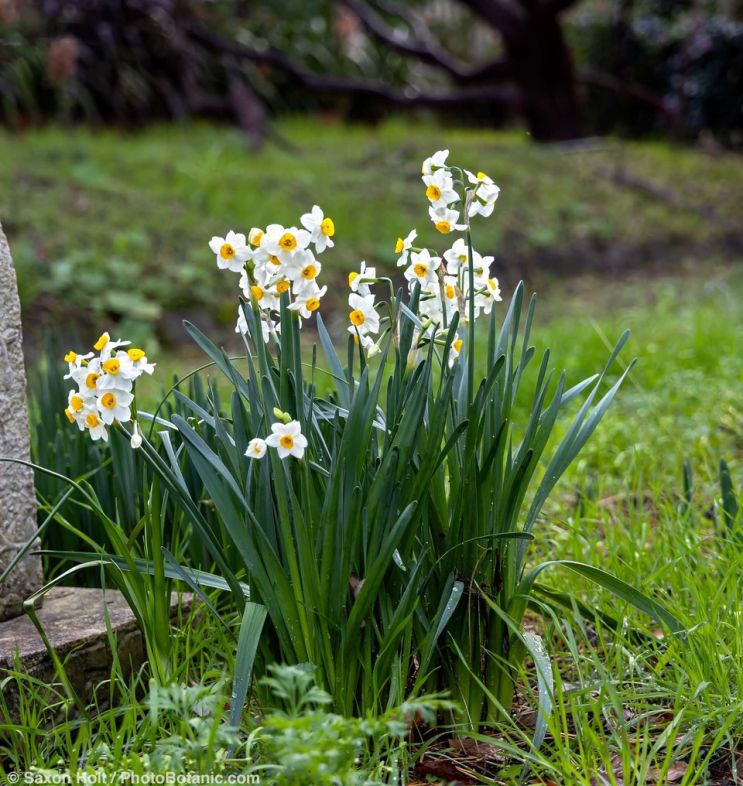
Daffodils have not yet reached their peak, but the earliest paperwhites started flowering at Thanksgiving, and now in January, the tazetta group is starting to bloom. This favorite, Narcissus tazetta subsp. tazetta is a selection from Crete from our friend Lefteris Dariotis, and always flowers in January.
Get More Ideas in our Book
Links We Like
For much more depth on Aloe go to this U.C. Davis report The Genus Aloe.
We would love to hear about any resources you would like to pass along. We all get these snippets from our news feeds and inboxes. Let’s share the best, and we will keep the running list so you can find them later on the Links We Like page.

Share This!
Related Articles

By: Nora Harlow

By: Nora Harlow